
The Hidden Health Benefits of Deep Upholstery Cleaning
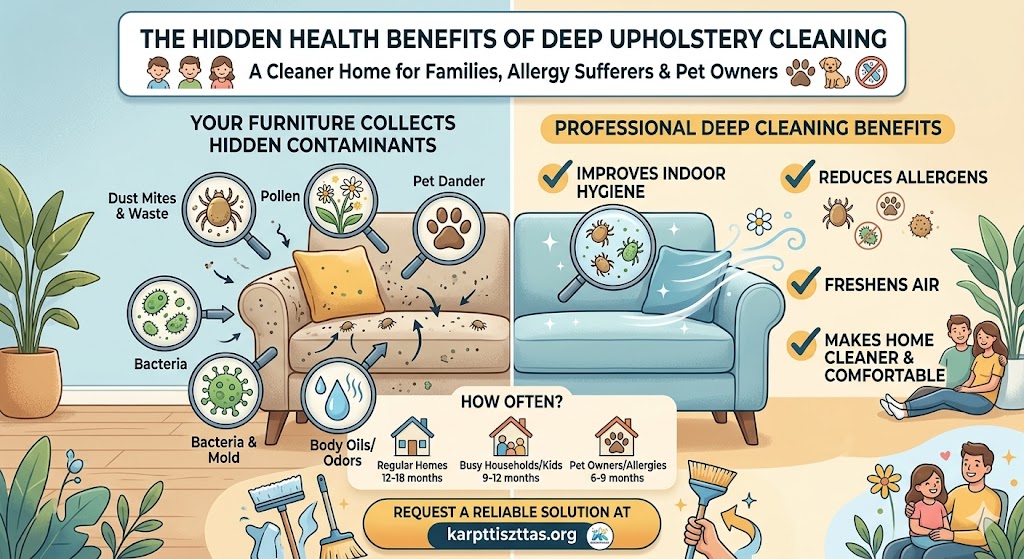
When you think about keeping your home clean, your mind likely jumps to sweeping the floors, wiping down kitchen counters, and scrubbing the bathrooms. These chores are highly visible; you can instantly see the results of your hard work. But what about the furniture you sit, sleep, and relax on every single day? While your living room sofa or your bedroom mattress might look perfectly clean to the naked eye, beneath the surface of the fabric lies a microscopic world of hidden contaminants.
Upholstered furniture acts like a giant filter in your home, trapping airborne particles, dead skin cells, and allergens. Over time, this filter becomes clogged, and instead of trapping contaminants, it begins releasing them back into the air every time you sit down. For families with children, pet owners, and allergy sufferers, this hidden accumulation can take a toll on indoor air quality and overall comfort.
In this comprehensive guide, we will explore the unseen pollutants lurking in your furniture and mattresses, discuss how deep upholstery cleaning can dramatically improve indoor hygiene, and explain why investing in regular maintenance is one of the best steps you can take for a cleaner, more comfortable living environment.
What Is Hiding in Your Upholstered Furniture?
To understand the health benefits of cleaning your upholstery, we first need to look at what exactly is accumulating in the fibers of your sofas, mattresses, carpets, and upholstered chairs.
1. Dust Mites and Their Byproducts
Dust mites are microscopic organisms that thrive in warm, humid environments—making your cozy mattress and plush sofa their ideal habitats. They do not bite or transmit diseases, but they feed on the millions of dead skin cells that humans and pets shed every day. The problem with dust mites lies in their waste products. Dust mite droppings contain a protein that is a major trigger for asthma and indoor allergies. No matter how often you dust your hard surfaces, effective dust mite removal in soft furnishings requires specialized cleaning techniques that go deep into the cushioning.
2. Pollen and Outdoor Allergens
Even if you keep your windows closed during allergy season, pollen easily finds its way inside. It clings to your clothing, your hair, your shoes, and your pets’ fur. When you sit on your sofa or lie in bed, that pollen transfers into the fabric. Over time, your furniture becomes a reservoir for outdoor allergens, causing you to experience seasonal allergy symptoms year-round while inside your own home.
3. Pet Dander
We love our pets, but they bring a unique set of challenges to indoor hygiene. Pet dander consists of microscopic, protein-laden flecks of skin shed by cats, dogs, birds, and other animals with fur or feathers. Dander is incredibly lightweight and sticky, easily floating through the air before clinging tenaciously to upholstery fabrics. Regular vacuuming often fails to remove these stubborn proteins, making professional pet dander cleaning a necessity for keeping your home comfortable for everyone, including guests who may have pet allergies.
4. Bacteria and Mold Spores
Every time a drink is spilled, a pet has an accident, or someone sits on the couch in damp workout clothes, moisture is introduced into the upholstery. If this moisture is not dried quickly and thoroughly, it can penetrate the underlying foam or padding, creating a dark, damp environment perfect for bacteria and mold. Mold spores floating in the air can settle into these damp areas and multiply. Breathing in mold spores and bacterial byproducts can irritate the respiratory system and degrade the overall air quality of your home.
5. Body Oils, Sweat, and Unpleasant Odors
Human skin naturally produces oils and sweat. When you lounge on your favorite armchair, these oils transfer onto the fabric. Over time, body oils act like a magnet, attracting dirt and holding it fast to the fibers. As bacteria break down these organic compounds, they release gases that cause stale, musty, and unpleasant odors. If your living room constantly smells a bit „off” no matter how much air freshener you use, soiled upholstery is likely the culprit.
How Professional Fabric Cleaning Improves Indoor Hygiene
You might wonder if a weekly pass with the household vacuum is enough to keep your furniture healthy. While regular vacuuming is a critical part of household maintenance—helping to remove loose surface dirt and hair—it simply does not have the suction power or the necessary mechanics to pull out contaminants embedded deep within the foam and dense fabric fibers.
This is where professional fabric cleaning comes into play. Professional technicians use specialized equipment, such as hot water extraction machines, to deeply penetrate the upholstery.
The Deep Cleaning Process
During a professional cleaning, a carefully formulated, safe cleaning solution is worked into the fabric to break down the bonds between the fibers and the dirt, oils, and allergens. High-powered extraction equipment then flushes the fabric with heated water while simultaneously vacuuming up the water, the cleaning solution, and the dislodged contaminants.
This process flushes out the „filter” of your furniture. It extracts the dust mite allergens, pulls out the sticky pet dander, and washes away the accumulated body oils. The result is a piece of furniture that is not just visually restored, but hygienically transformed at a microscopic level.
A Breath of Fresh Air: Benefits for Allergy Sufferers
For individuals who suffer from asthma or allergic rhinitis, the home should be a safe haven, not a trigger zone. However, heavily soiled upholstery can cause indoor air to be heavily saturated with allergens. Every time someone sits on a dusty couch, a cloud of invisible particles is expelled into the breathing zone.
Opting for allergy-friendly upholstery cleaning can lead to a noticeable reduction in indoor symptoms. While professional cleaning is not a medical treatment and cannot cure allergies, environmental control is a universally recommended strategy for allergy management. By significantly reducing the volume of dust mites, pollen, and pet dander trapped in your furniture, you are actively lowering the overall allergen load in your home.
Many allergy sufferers report waking up with clearer sinuses, experiencing fewer sneezing fits, and enjoying more restful sleep after having their mattresses and bedroom upholstery professionally deep-cleaned.
Freshening the Air and Enhancing Comfort
The benefits of deep cleaning extend beyond allergen reduction; they fundamentally change how your home feels and smells.
We often become „nose-blind” to the odors in our own homes. Because the accumulation of sweat, body oils, and pet odors happens slowly over months or years, you may not notice that your family room has taken on a stale scent. Deep cleaning eliminates the biological sources of these odors. Rather than masking smells with heavy perfumes or chemical sprays—which can themselves irritate the lungs—professional extraction removes the bacteria and oils causing the odor in the first place.
When your sofas, carpets, and upholstered chairs are thoroughly cleaned, the entire room feels lighter, fresher, and more inviting. The fabric regains its soft texture, colors look brighter, and the ambient air smells naturally clean. It contributes to a holistic sense of well-being, making your living space a more comfortable place to relax and host guests.
How Often Should Upholstery Be Cleaned?
A common question among homeowners is how frequently they should invest in deep upholstery cleaning. The answer depends largely on your lifestyle, the size of your household, and who lives in the home.
General Guidelines
For a single person or a couple living in a moderately active home without indoor pets, professional cleaning every 12 to 18 months is generally sufficient to maintain fabric health and indoor air quality.
Busy Households and Families with Children
If you have a bustling household with children, the wear and tear on your furniture increases exponentially. Kids bring in dirt from the playground, spill drinks, and are generally harder on soft furnishings. In a busy family home, it is wise to schedule deep cleaning every 9 to 12 months to keep the environment hygienic and prolong the lifespan of the furniture.
Pet Owners and Allergy Sufferers
For homes with dogs, cats, or individuals with severe respiratory allergies, the timeline accelerates. Pets shed dander daily and track in outdoor dirt and pollen. To maintain a baseline of healthy home cleaning, pet owners and allergy sufferers should aim to have their most-used upholstered pieces and mattresses cleaned every 6 to 9 months. Regular maintenance prevents the build-up of dander and allergens from reaching critical levels that trigger health reactions or cause permanent fabric degradation.
Why DIY Cleaning Often Falls Short
It can be tempting to rent a grocery store carpet cleaner with an upholstery attachment or buy foaming spray cans to tackle the job yourself. However, DIY upholstery cleaning often causes more problems than it solves.
Consumer-grade machines lack the extreme suction power required to extract the water they pump into the fabric. As a result, DIY cleaning often leaves furniture overwet. When dense foam cushions stay wet for days, it creates the perfect breeding ground for mold, mildew, and bacteria—completely negating your efforts to create a healthier home. Furthermore, DIY shampoos can leave behind a sticky chemical residue that rapidly attracts new dirt, causing your couch to look soiled again in record time.
Professional technicians understand the unique chemistry of different textiles. They know exactly how much moisture, heat, and pressure to apply to clean the fabric deeply without damaging it or leaving it saturated.
Conclusion: Invest in a Healthier Home Environment
Your upholstered furniture is a significant investment in your home’s comfort and aesthetic, but it also plays a crucial role in your indoor environment’s overall hygiene. From trapping pesky dust mites and outdoor pollen to absorbing pet dander and body oils, your sofas, chairs, and mattresses are on the front lines of your home’s air quality.
By prioritizing deep upholstery cleaning, you are doing much more than removing unsightly stains. You are actively reducing allergens, eliminating bacteria-harboring moisture, removing odor-causing oils, and ensuring that the air your family breathes is as fresh and clean as possible.
If it has been more than a year since your furniture was professionally cleaned, or if you are noticing an uptick in indoor allergies or stale odors, it is time to take action. Don’t leave your family’s comfort to chance.
For reliable, expert, and thorough cleaning services that prioritize your family’s health, trust the professionals. Visit karpittisztitas.org to learn more about our specialized extraction methods and schedule your next appointment. Let us help you breathe easier and enjoy a truly clean, fresh, and comfortable home.

